
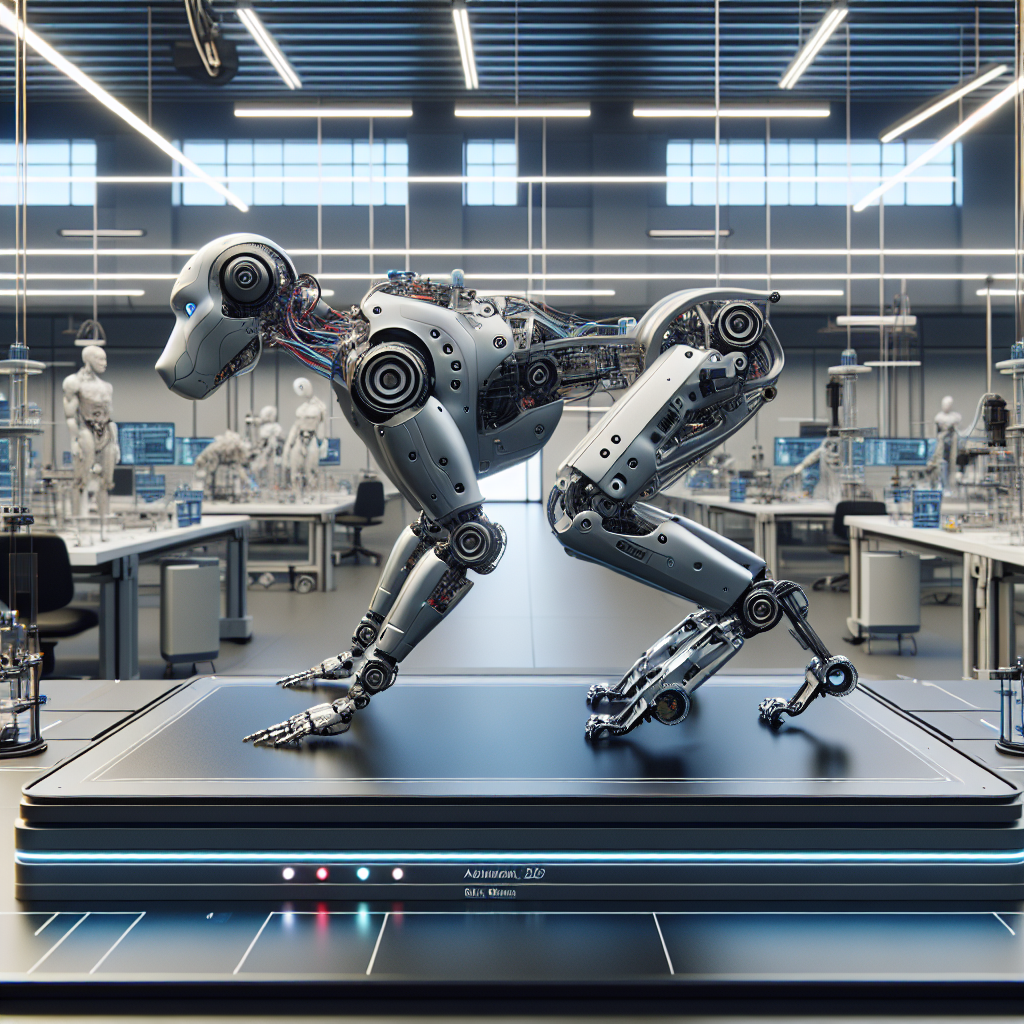
Some robots are famous for saving lives in surgery. Others are famous for a scene in a movie. Together, they've shaped how the entire world thinks about robots. This guide is your famous robots list—the most famous robots from both the real world and pop culture. Real robots and fictional robots have a symbiotic relationship: science fiction inspires engineers, and real breakthroughs inspire storytellers. You'll discover famous real robots that changed industries, famous fictional robots that defined our imagination, and how the two influence each other. To understand how the real ones actually work, start with our guide to how robots work; for how today's categories fit together, see types of robotics; to trace where they came from, read our history of robots guide. From iconic robots on screen to well-known robots in labs and homes, here's the full picture.
Most Famous Fictional Robots
R2-D2 and C-3PO (Star Wars, 1977)
R2-D2 and C-3PO are the most recognizable robots in cinema. R2-D2 is the scrappy problem-solver—beeping, rolling, and saving the day with a tool arm. C-3PO is the anxious translator who worries about protocol and etiquette. Together they defined how millions imagine friendly, loyal robots. Which robot movie character had the biggest cultural impact? For sheer recognition and affection, the Star Wars droids are hard to beat. Famous robots in movies often trace back to them; companion robots like Cozmo and Vector echo the “personality droid” archetype. They're iconic robots in every sense.
The Terminator (1984)
The Terminator (T-800) is the other side: robots as existential threat. The film shaped fears about AI and autonomous machines and is still referenced in every “will robots take over” discussion. Well-known robots in villain roles have never been more iconic than the relentless cyborg from the future. The franchise also raised real questions about autonomous weapons and AI safety—fiction and reality blur when it comes to famous robots that make us think. Which fictional robots are the most well known? In the “villain” category, the Terminator is still the default reference—and that cultural footprint has influenced how the public and policymakers approach lethal autonomous systems.
WALL-E (2008)
Pixar's WALL-E—a trash-compacting robot left alone on Earth—made audiences love a machine with almost no dialogue. He proved that robots could be emotionally compelling and that design and behavior matter as much as words. Famous robots in history in the cultural sense include WALL-E as a turning point: robots as characters we root for, not just tools or threats. He's one of the most iconic robot characters in science fiction for sheer charm.
HAL 9000 (2001: A Space Odyssey, 1968)
HAL 9000 is technically an AI, not a physical robot, but he's foundational to the robot/AI cultural conversation. “I'm sorry, Dave, I'm afraid I can't do that” is peak robot culture—the moment when a machine's logic clashes with human survival. HAL shaped how we think about AI reliability, trust, and failure. He belongs on any famous robots list that includes the idea of machine intelligence. Stanley Kubrick's vision of a calm, rational computer that decides the crew is a threat prefigured decades of debate about AI safety and alignment—so when we talk about famous robots that changed how we think, HAL is in the first rank.
More Iconic Fictional Robots
Optimus Prime (Transformers) is the noble leader who fights for freedom. Data (Star Trek) explored what it means to be human. Bender (Futurama) is the cynical, beer-loving robot. Rosie the Robot (The Jetsons) was the dream of a robot maid—a vision that foreshadowed robot vacuums and home assistants. The Iron Giant, Baymax (Big Hero 6), Marvin the Paranoid Android (Hitchhiker's Guide), Johnny 5 (Short Circuit), and Robocop round out a famous fictional robots roster that spans hero, sidekick, villain, and comic relief. Top robots of all time in pop culture include every one of these. Famous robots for kids to learn about in school projects often start with R2-D2, WALL-E, and Baymax—approachable, non-threatening characters that open the door to real robotics. Famous robots from movies TV and books form a shared language: when someone says “like the Terminator” or “like R2-D2,” we all know what they mean.
Most Famous Real Robots
Roomba (2002)
The Roomba from iRobot is the most commercially successful robot in history—millions sold. It brought robots into homes and made “robot” a household word beyond factories. Are there any robots more famous than Roomba? By commercial impact and ubiquity, few. It's the famous real robot that proved consumer robotics could work at scale. Real robots that became famous like Roomba have since multiplied: robot mowers, companions, and educational bots all owe something to the little disc that cleans the floor.
Atlas and Spot (Boston Dynamics)
Atlas and Spot from Boston Dynamics are the most-watched robots on YouTube. Viral videos of Atlas doing parkour and backflips, and Spot dancing in packs, changed public perception of what legged robots can do. Spot is now deployed for inspection, research, and even (controversially) law enforcement. Who is the most famous humanoid robot? In the 2010s and 2020s, Atlas has a strong claim—not for sales but for sheer “I can't believe that's real” impact. The video below traces their evolution from lab to icon.
Curiosity and Perseverance (NASA Mars Rovers)
Curiosity and Perseverance are robots on another planet—years of autonomous exploration, drilling, and driving across Mars. The Ingenuity helicopter performed the first powered flight on another world. What is the most famous robot on Mars? Perseverance (and its predecessor Curiosity) are humanity's most ambitious robotic achievements. NASA's Mars 2020 mission (Perseverance) continues to return images and science; these are famous robots real life that inspire millions. They're also proof that real robots are as famous as movie robots when the mission is big enough—every landing and every panorama is a global event. Read the full story in our guide to robots in space.
ASIMO (Honda, 2000–2022)
ASIMO was Honda's bipedal humanoid—walking, climbing stairs, waving. For over two decades it was the most recognized humanoid robot in the world. ASIMO retired in 2022 but remains a symbol of Japanese robotics excellence and the long-held dream of a robot that moves like us. Most famous humanoid robots in real life from ASIMO to Atlas trace a path from careful, tethered demos to the dynamic, viral robots of today. Famous robots in history in the technical sense include ASIMO as the robot that made “humanoid” a household word before Boston Dynamics and Tesla Optimus took the spotlight.
Da Vinci Surgical System
The da Vinci surgical system from Intuitive Surgical has performed over 10 million surgeries worldwide. It revolutionized minimally invasive surgery and is the most impactful medical robot ever built. Surgeons control robotic arms from a console with sub-millimeter precision. When people ask what real robots are as famous as movie robots, da Vinci is the answer in healthcare—famous for what it does, not for a screen. Most famous real robots that changed the world and why often start with Unimate (industry) and Roomba (home); da Vinci belongs on that list for medicine, alongside the Mars rovers for exploration and Atlas for redefining what legged robots can do.
Unimate (1961)
Unimate was the first industrial robot, installed at GM in 1961. It started the entire robotics industry. Today it sits in the Smithsonian—a notable robot that literally made history. What was the first famous robot? If we mean “famous for changing the world,” Unimate is a strong candidate. Science Museum London and other institutions tell the broader robot cultural history that Unimate began.
Sophia (Hanson Robotics, 2016)
Sophia is controversial but undeniably famous—citizenship, TV interviews, and AI conversations made headlines. Critics say her capabilities are often overstated; she's more social experiment and research platform than a truly general-purpose intelligent robot. Still, she's one of the most famous robots of the 2010s and sparked debate about robot rights, AI hype, and what “intelligent” means. Famous robots in history in the media sense include Sophia as a case study in robot celebrity.
When Real Robots Become Pop Culture Icons
Boston Dynamics' YouTube Fame
Boston Dynamics' viral dance videos and Super Bowl commercials turned engineering demos into entertainment. Millions of views made Atlas and Spot celebrated robots—the line between real and fictional famous robots blurred when Spot moved like a creature from a movie. Which fictional robot predictions actually came true in real life? Dynamic legged robots that run and jump were science fiction until Boston Dynamics made them routine. The company didn't set out to create famous robots in the pop culture sense; they were solving locomotion and manipulation. But the result—robots that backflip, open doors, and dance—turned them into most recognized robots in the world, alongside R2-D2 and the Terminator.
Spot in the Real World
Spot inspects construction sites, patrols facilities, and has been trialed by police—including an NYPD deployment that drew controversy. So Spot is famous for both capability and debate: can a quadruped robot belong in public safety? Real robots that became famous like Roomba Spot and Curiosity each crossed from “tech demo” to “part of the culture” in different ways. Spot did it through YouTube and then through real-world deployment. Most famous robots in pop culture history from 1920 to 2026 now include real machines alongside fictional ones—Spot and Atlas appear in ads, memes, and news in the same breath as movie robots. That crossover is what makes this moment unique: the legendary robots of engineering are also pop culture stars.
How Fiction Influenced Real Robotics
Asimov → Robot Ethics
Isaac Asimov's Three Laws of Robotics inspired real safety standards and research. Which fictional robot had the biggest impact on real robotics? Arguably Asimov's robots—the laws shaped how engineers and policymakers think about robot behavior. For the full story, see our guide to Asimov's laws of robotics. Famous robots that inspired real robotics technology include the idea of ethical constraints baked into design.
Star Wars → Companion Robots
R2-D2 inspired a generation of engineers. Companion robots like Cozmo, Vector, and Eilik echo the “personality robot” archetype—small, expressive, helpful. The dream of a robot friend in every home is still being built; famous robots from film set the template.
The Jetsons → Home Robots
Rosie the Robot maid from The Jetsons foreshadowed robot vacuums and household assistants. The vision is slowly becoming reality: we have Roombas, not Rosies yet, but the trajectory from fiction to real famous robots real life runs through the Jetsons' kitchen. How famous fictional robots compare to what real robots can do is a moving target—every few years another prediction comes true. Robot vacuums, voice assistants, and now early humanoid and quadruped robots are closing the gap between the 1960s cartoon and the 2020s home.
What Fictional Robots Got Right (and Wrong)
| Fictional prediction | Movie / show | Reality in 2026 | Verdict |
|---|---|---|---|
| Robot maid / vacuum | The Jetsons (Rosie) | Roomba, smart home bots | Right (in spirit) |
| Robot surgeon | Various sci-fi | da Vinci, surgical robots | Right |
| Robot on Mars | Many | Curiosity, Perseverance, Ingenuity | Right |
| Humanoid that walks/runs | Metropolis, many | Atlas, Tesla Optimus, Figure | Right (early stage) |
| AI that turns on humans | Terminator, HAL | No sentient hostile AI exists | Wrong (so far) |
| Robot with emotions / consciousness | WALL-E, Data, etc. | No evidence of machine consciousness | Wrong (so far) |
FAQ
What is the most famous robot in the world?
Debatable. Roomba by commercial impact—millions in homes. R2-D2 by cultural recognition. Perseverance by scientific achievement. Atlas by viral fame. The answer depends on whether you mean real or fictional, impact or recognition. Who are the most famous robots of all time? Any short list would include R2-D2, the Terminator, WALL-E, Roomba, Atlas, and the Mars rovers—each famous for different reasons but all part of the same cultural and technical story.
Is the Terminator realistic?
The “AI takes over” scenario is the extreme end of speculation. Current AI has no goals, consciousness, or agency in that sense. But autonomous weapons and AI safety are real concerns—fiction amplifies questions that engineers and policymakers already grapple with.
What real robot is closest to R2-D2?
Astrobee on the International Space Station is probably the closest—a free-flying robot assistant that helps astronauts. Spot also fills a similar “utility companion” role in some settings: mobile, versatile, and designed to work alongside humans.
How many surgeries has the da Vinci robot performed?
Over 10 million worldwide as of 2024. It's the most widely used surgical robot and has defined minimally invasive robotic surgery for decades.
Is Sophia the robot actually intelligent?
Sophia uses a mix of pre-scripted responses and AI; capabilities are often overstated in media. She's more of a social experiment and research platform than a truly general-purpose intelligent robot. The debate around her is part of why she's famous—and why robot hype is worth questioning.
Will we ever have robots like in the movies?
Some predictions are already here: robot vacuums, surgical robots, Mars rovers. Humanoid household robots are 5–10 years from early adoption. Sentient, emotional, or conscious robots remain science fiction. Famous robots in movies set the bar; real robots are catching up in capability, not in consciousness. So we already have robots that clean floors, explore planets, and do surgery—we don't yet have robots that truly feel, rebel, or fall in love. The famous robots list of the future will keep adding real machines that close the gap.
Which fictional robot had the biggest impact on real robotics?
Arguably Asimov's robots—the Three Laws influenced real safety standards. R2-D2 inspired engineers. Rosie the Robot set expectations for home robots. The impact is cultural and indirect but real.
What real robots can I actually buy?
Roomba and other robot vacuums, companion robots like Eilik, Cozmo, and Loona, robot dogs like Unitree Go2, and educational kits. For a curated list of companion robots you can buy, see our best robot toys for adults guide.
Conclusion
The line between real and fictional famous robots is blurring. Spot does things we once only saw in movies; real AI is catching up to science fiction in narrow domains. We're living in the era when fictional robot dreams become real engineering achievements. Famous robots in pop culture history from 1920 to 2026 now include both the machines we watch on screen and the machines we watch on YouTube—and sometimes the same robot does both. To explore the robots making history in 2026, see our types of robots guide. To trace the full journey from ancient automata to today, read our history of robots. The most famous robots—real and fictional—are still being built and imagined; the next icon could be in a lab or in a script right now. Whether you're into famous robots in movies or the real popular robots in warehouses and homes, the story is the same: robots have moved from fantasy to everyday life, and the best-known names—R2-D2, Roomba, Atlas—are the ones that bridge both worlds. That's what makes a famous robots list worth reading: it's where culture and engineering meet.