
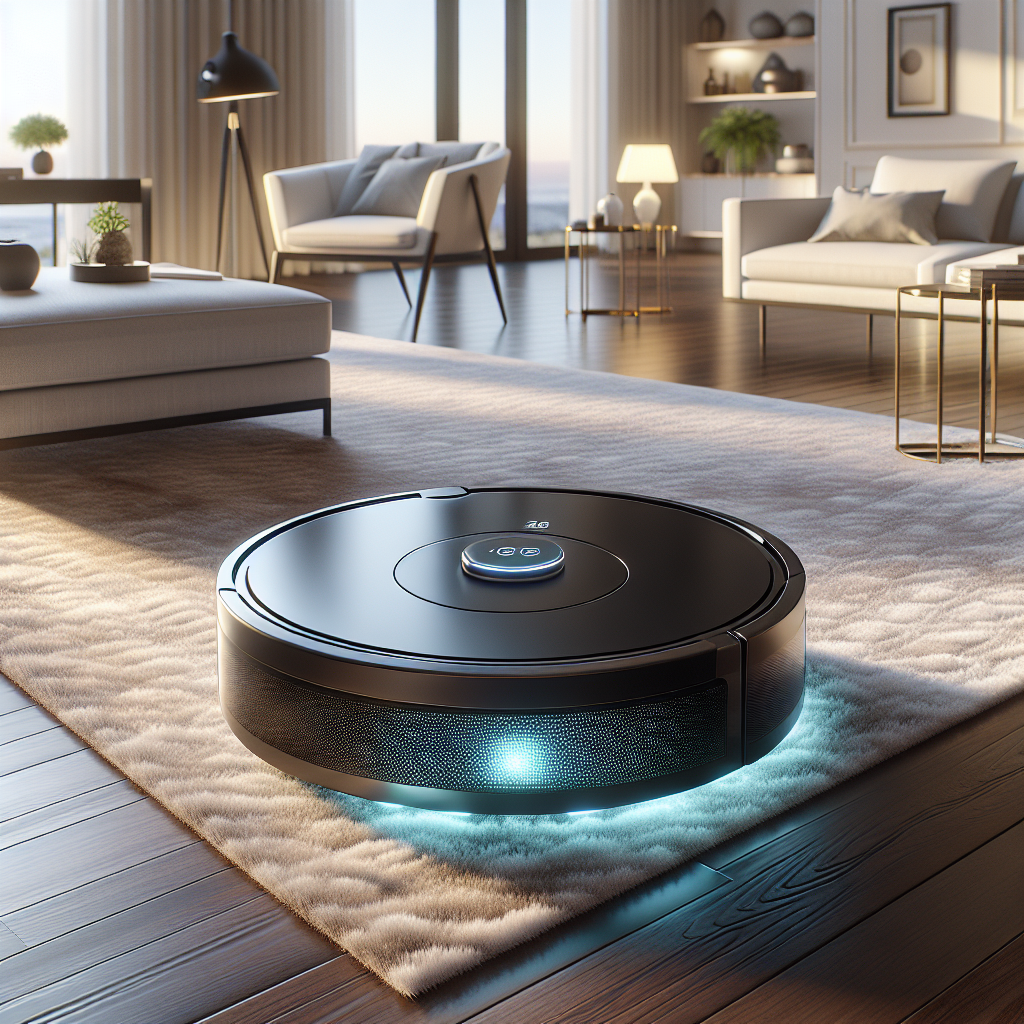
A robotic vacuum is no longer a simple “random bounce” cleaning device. In 2026, the best robot vacuums use high-speed LiDAR (Light Detection and Ranging) sensors and AI-driven computer vision to map your home with centimeter-level accuracy. Modern robots now “see” obstacles like charging cables, pet waste, and rugs, automatically adjusting their cleaning patterns to maximize surface coverage and minimize manual intervention. Robot vacuums are a category of autonomous service robots that operate using the same Sense-Think-Act loop found in industrial machines.
To help you navigate the crowded appliance market, this guide compares the leading models based on suction power (measured in pascals, or Pa), navigation technology, and maintenance requirements.
The Modern Robot Vacuum: Understanding LiDAR vs. vSLAM Navigation
The most critical attribute of a robot vacuum is how it “Senses” your home. You must choose between two primary navigation technologies:
- LiDAR (Laser Navigation): These robots feature a spinning “turret” on top. They fire laser pulses to build a precise 2D or 3D map of your room in seconds. High-end models from Roborock and Dreame use this tech to navigate in total darkness without losing their position.
- vSLAM (Camera-Based Navigation): These robots, like the classic iRobot Roomba series, use an upward-facing camera to identify unique visual “landmarks” (like picture frames or ceiling fans). While vSLAM is excellent for identifying specific objects, it requires adequate light to function effectively.
If you have a multi-room home with complex furniture, prioritize LiDAR-based systems for more efficient pathfinding. For a deeper technical comparison of LiDAR, infrared, and ultrasonic navigation sensors, review our Robot Sensors Explained guide.
Top 5 Robot Vacuums for 2026: Editor’s Performance Picks
Building on our foundation of legacy reviews—such as the iRobot Roomba 650 (ID 162) and the Eufy RoboVac 11 (ID 164)—we have benchmarked the top 5 performers for the current year.
The following table provides an explicit EAV comparison of the top-performing models in 2026:
| Model | Suction Power (Pa) | Navigation Type | Battery (mAh) | Price Range | Best Use Case |
|---|---|---|---|---|---|
| Roborock Qrevo Master | 10,000 Pa | Dual-LiDAR + AI | 5,200 mAh | $1,099 – $1,399 | Maximum Performance & Pet Hair |
| Dreame X40 Ultra | 12,000 Pa | LiDAR + RGB Camera | 6,400 mAh | $1,299 – $1,599 | Advanced AI Obstacle Avoidance |
| Shark PowerDetect Pro | 8,500 Pa | LiDAR | 5,000 mAh | $699 – $899 | High-Value Self-Emptying |
| Roborock S8 MaxV | 10,000 Pa | LiDAR + Voice Assistant | 5,200 mAh | $949 – $1,199 | Integrated Smart Home |
| Eufy Omni S1 Pro | 8,000 Pa | Laser + AI | 4,600 mAh | $799 – $999 | Superior Mopping & Edge Cleaning |
1. Roborock Qrevo Master: Best for Maximum Performance and Pet Hair
The Roborock Qrevo Master delivers 10,000 Pa of suction through a Dual-LiDAR and AI navigation system. This robot features a 5,200 mAh battery capable of cleaning up to 3,000 sq. ft. on a single charge. The auto-empty and mop-washing dock eliminates manual maintenance for up to 7 weeks.
- Suction Power: 10,000 Pa
- Navigation: Dual-LiDAR + AI obstacle avoidance
- Battery: 5,200 mAh (~180 minutes runtime)
- Mop Lift: 20mm active lift on carpet detection
2. Dreame X40 Ultra: Best for Advanced AI Obstacle Avoidance
The Dreame X40 Ultra produces 12,000 Pa of suction, the highest in the 2026 consumer market. An RGB camera paired with LiDAR allows centimeter-level object recognition in complete darkness. The 6,400 mAh battery supports cleaning sessions exceeding 210 minutes.
- Suction Power: 12,000 Pa
- Navigation: LiDAR + RGB Camera
- Battery: 6,400 mAh (~210 minutes runtime)
- Mop Lift: 10.5mm active lift
3. Shark PowerDetect Pro: Best High-Value Self-Emptying
The Shark PowerDetect Pro offers 8,500 Pa of suction at a mid-range price point. This robot uses LiDAR navigation and an auto-detect surface system that increases suction power automatically when transitioning from hardwood to carpet.
- Suction Power: 8,500 Pa
- Navigation: LiDAR
- Battery: 5,000 mAh (~165 minutes runtime)
- Self-Empty Dock: Holds 60 days of debris
4. Roborock S8 MaxV: Best for Integrated Smart Home
The Roborock S8 MaxV combines 10,000 Pa suction with built-in voice assistant integration for Alexa, Google Home, and Siri Shortcuts. LiDAR and a stereo camera provide reactive obstacle avoidance in real time.
- Suction Power: 10,000 Pa
- Navigation: LiDAR + Voice Assistant
- Battery: 5,200 mAh (~180 minutes runtime)
- Smart Home: Native voice control integration
5. Eufy Omni S1 Pro: Best for Superior Mopping and Edge Cleaning
The Eufy Omni S1 Pro delivers 8,000 Pa of suction and features a proprietary roller mop that cleans within 1mm of walls and baseboards. The laser and AI navigation system maps rooms with high precision.
- Suction Power: 8,000 Pa
- Navigation: Laser + AI
- Battery: 4,600 mAh (~150 minutes runtime)
- Edge Cleaning: 1mm wall proximity mopping
Essential Features: Suction Power (Pa), Battery (mAh), and Bin Capacity
When evaluating a robot vacuum, do not rely on marketing claims alone. Look for these four engineering benchmarks:
- Suction Power (Pa): In 2026, entry-level bots offer 2,000-4,000 Pa. Professional-grade machines now exceed 10,000 Pa. If you have thick carpets, 8,000+ Pa is required to lift deep-seated dirt.
- Battery Capacity (mAh): Look for a 5,200 mAh or higher battery. This ensures the robot can clean a 1,500 sq. ft. home on a single charge without returning to the dock prematurely.
- Auto-Empty Docks: Modern docks can hold 3-7 weeks of debris, allowing you to ignore the vacuum for nearly two months.
- HEPA Filtration: Ensure the vacuum uses E11 or H13 HEPA filters to trap 99.9% of allergens and dust. This is critical for users with families or pets.
Robot Vacuum and Mop Hybrids: When to Choose Two-in-One
Most leading 2026 robots are now “Hybrid” machines. They feature a high-performance vacuum in the front and a mopping system in the rear.
The breakthrough feature of the year is Mop-Lifting Technology. High-end robots like the Roborock S8 can detect carpets and automatically lift their mopping pads by 10mm-20mm. This prevents the robot from dragging a wet, dirty mop across your rugs while transitioning between hardwood floors.
If you have a mix of hard floors and carpets, do not settle for a basic mopping bot—ensure it has an active “lifting” or “auto-docking” mopping system.
Budget Picks: High-Value Performance Under $300
A reliable robot vacuum does not require a thousand-dollar investment. These “Budget Powerhouses” are consistent and durable:
- ILIFE A4S (ID 161): A classic, low-profile machine designed for hardwood floors. It uses a 4-stage cleaning cycle that rivals more expensive units.
- PureClean PUCRC62 (ID 166): A highly affordable entry point that includes its own charging dock.
- Eufy RoboVac 11 (ID 164): Consistently rated highly for low noise levels and superior suction compared to other entry-level models.
- ECOVACS DEEBOT N79 (ID 163): A WiFi-connected robot vacuum with smartphone app control and three cleaning modes for automated scheduling.
The Verdict: Which Robot Vacuum Should You Buy?
The Dreame X40 Ultra is currently the industry leader in total suction and AI mapping for high-budget consumers. If you want the best “set and forget” experience with minimal maintenance, the Roborock Qrevo Master offers the most reliable auto-empty and mop-cleaning dock.
For more detailed technical data on specific models, revisit our iRobot Roomba 650 benchmarks or explore the Deik Smart Mop for dedicated floor cleaning insights.
Frequently Asked Questions about Robot Vacuums
How long do robot vacuums typically last?
A high-quality robot vacuum typically lasts between 4 and 6 years when maintained correctly. You must replace the HEPA filters and side brushes every 3 to 6 months to ensure optimal cleaning performance. Most lithium-ion batteries in these units can survive 500 to 800 full charge cycles before requiring replacement.
Do robot vacuums work on thick carpets?
Yes, robot vacuums work on thick carpets if they are equipped with high-torque carpet boosters and 4000Pa or higher suction power. Performance varies significantly by surface type:
| Surface Type | Compatibility | Required Feature |
|---|---|---|
| Hardwood / Tile | High | Side brushes & Soft rollers |
| Low-Pile Carpet | High | Standard suction (2000Pa+) |
| High-Pile / Shag | Moderate | High-Torque Booster (4000Pa+) |
| Dark Floors | High | Dual-beam LiDAR sensors |
Are robot vacuums worth it in 2026?
Yes, robot vacuums are worth the investment in 2026 because they provide consistent maintenance cleaning that reduces total weekly housekeeping labor. Modern AI systems allow these vacuums to identify and avoid obstacles like cables and pet waste with high precision. The three primary reasons robot vacuums are worth purchasing in 2026 include:
- Time Savings: Automated daily cleaning reduces manual vacuuming from 3-4 hours per week to zero active labor.
- AI Precision: LiDAR and camera-based systems map homes with centimeter-level accuracy, preventing missed spots and furniture collisions.
- Health Benefits: HEPA filtration systems capture 99.9% of allergens, reducing indoor air pollutants for families with pets or respiratory conditions.
Is LiDAR better than a camera for robot vacuum navigation?
LiDAR is generally better than a camera for robot vacuum navigation because LiDAR sensors do not require ambient light to function. LiDAR maps your home in total darkness and provides millimeter-level precision for object avoidance. You should prioritize LiDAR-based robots if you plan to schedule cleanings at night or have a home with complex furniture layouts.